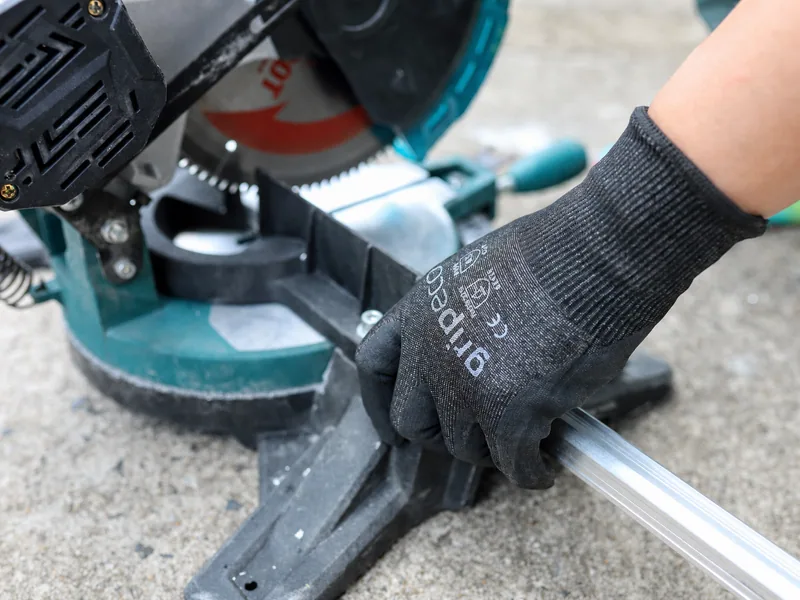
How to choose the right cut-resistance level
Cut level A through F is not a quality ranking — it is a hazard match. Here is how to read EN 388 and ANSI side by side, and why buying one level higher than you need usually costs more than it saves.
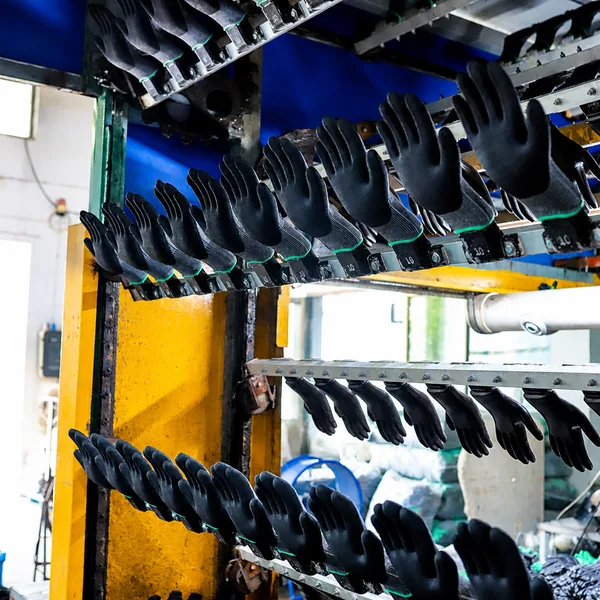
Standards explainers, sourcing decisions and what is actually changing on our lines. Written by the people who quote and build the gloves — no keyword padding.
Cut level A through F is not a quality ranking — it is a hazard match. Here is how to read EN 388 and ANSI side by side, and why buying one level higher than you need usually costs more than it saves.
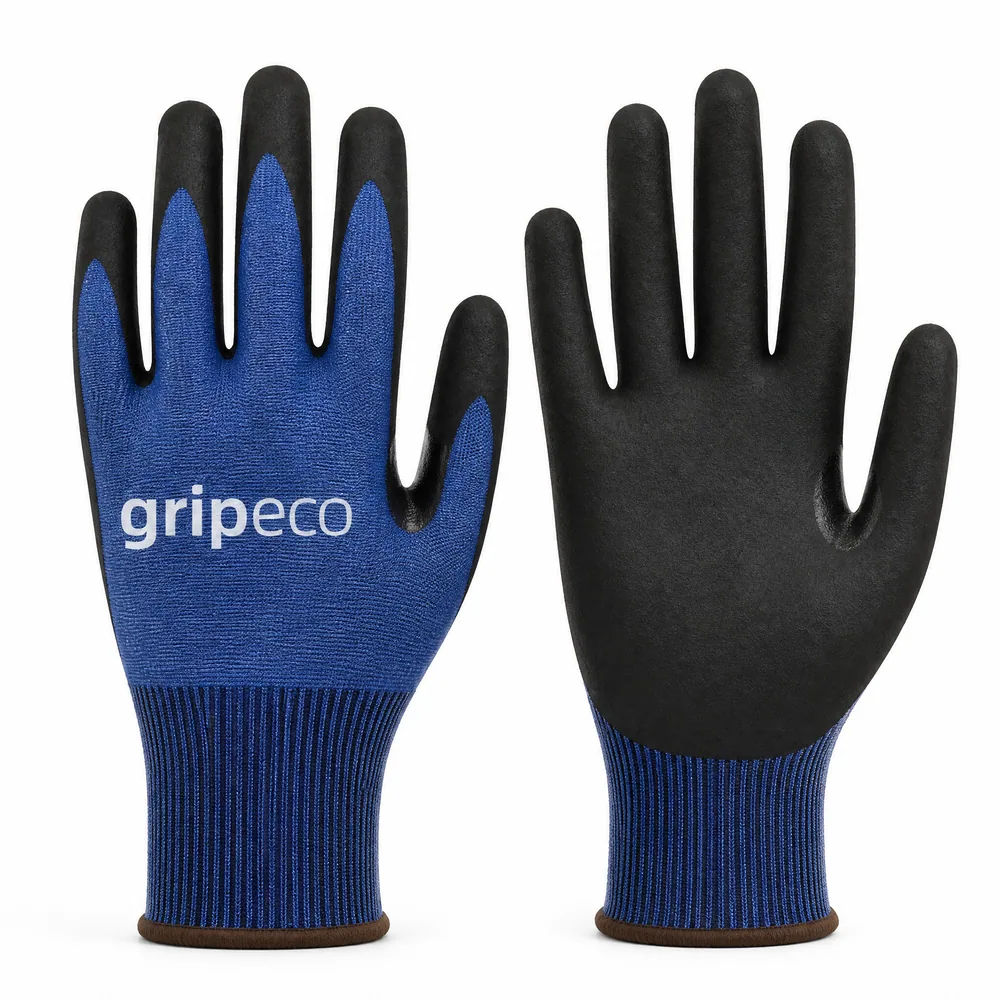

The tenth dipping line is installed and in trial production. What it changes for buyers: shorter queues on repeat constructions, and a second line qualified for sandy nitrile.
Same glove, two labels, different numbers. A side-by-side reference for buyers sourcing across regions, including the labelling rules that catch importers out.
13 gauge is not better than 10 gauge, and 21 gauge is not better than 13. What the number means, and how it decides dexterity, durability and price.
We publish the findings, not just the certificate. What the SMETA four-pillar audit and the amfori BSCI monitoring flagged, and what we are doing about the working-hours finding.
Nothing published in this category yet.
One email a month, technical and commercial — new constructions, price movements on yarn and coating, and standards changes that affect your labelling. No sales blasts.